Calgary
 Ottawa
 Edmonton
 Regina
 Halifax
 Saskatoon
 Hamilton
 Toronto GTA
 Kingston
 Vancouver
 Kitchener
 London
 Windsor
 Montreal
 Winnipeg





Feb
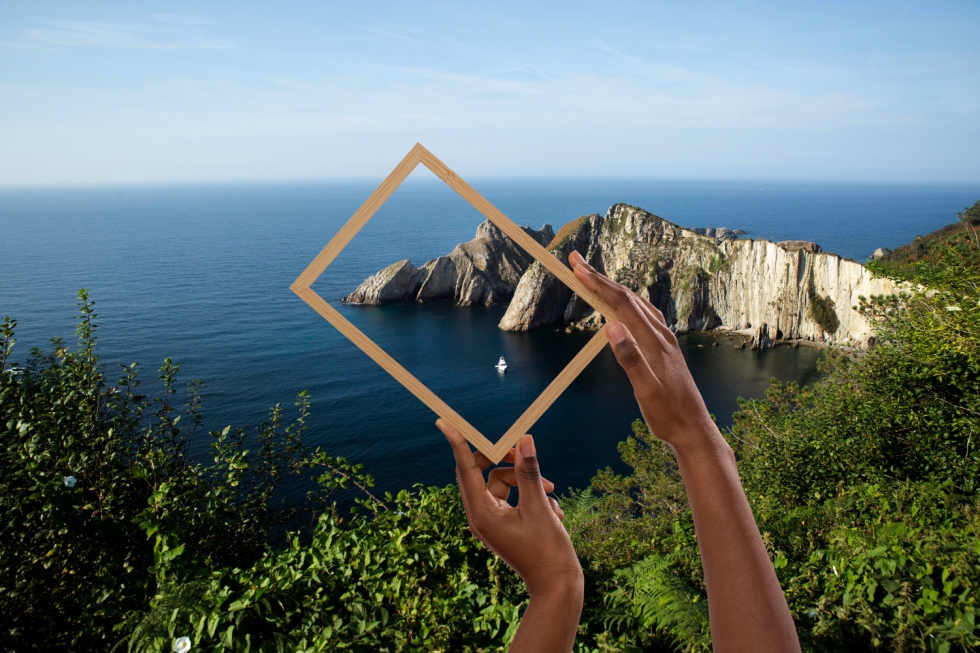
From Camera Roll to Wall Art: Creative Ways Travelers Can Display Their Adventure
Written by Ahmad AkhtarYou recently returned from a life-changing journey. Possibly a solitary walk through historic European villages or a beach holiday with the family. After taking off your baggage and doing laundry, your camera roll is filled with hundreds or thousands of lovely photos. These experiences, from Tuscany's golden hour to the Rockies' snow-covered peaks, are too precious to save on a computer.
The query? Turning a computer file into a piece of art that evokes the sounds, scents, and sensations of your journey every time you look at it. You've found the proper spot to convert your house into a gallery that makes people speak, want to travel again, and is yours.
Here are five inventive methods to bring your travel memories to life using DIY and professional techniques to create exhibits as distinctive as your journeys.
1. The Timeless Elegance of Professional Canvas Prints
Canvas is still the best way to take pictures of travel for a reason. Glare is taken away by this method, which lets the colors and patterns of your scenery photos really come to life.
When you opt for high-quality canvas prints Canada, you are choosing a medium that adds a tactile, painterly quality to your photos. This is particularly effective for:
- Wide-angle landscapes. The edges that go all the way around give it a 3D look that draws the viewer into the scene.
- Candid street photography. The pattern reduces digital noise, which makes your photos look like they were edited.
- Minimalist decor. They look great in modern rooms because they don't need a heavy frame on the outside.
Why Quality Matters
There are different kinds of boards. Look for choices with UV-stable paints and strong, hand-stretched wood frames to keep your memories alive. This will make sure that the Caribbean Sea's bright blue color stays the same in ten years.
2. Create a Living Memory Map
For people who can't stay in one place, a memory map is a living way to keep track of their travels around the world. As you add new adventures, it changes and turns your wall into a personalized journey.
How to Build It:
- The base
- As your main piece, start with a big cork map or a sticky world map. Choose customizable choices like scratch-off maps that show you've been to certain places. These come in sizes ranging from 24x36 inches for small walls to 40x60 inches for large displays.
- The photos
- Print out 2x3 or 3x3-inch Polaroid pictures of your favorite moment from each place. For that old border effect, use apps like Instax or online printers and choose pictures with a lot of contrast to make them stand out against the colors of the map.
- The connection
- Use string and colored pins to connect the picture to the exact place where it was taken. To represent different types of trips, use yarn in different colors, like blue for beach vacations and green for nature walks. This will add depth to the visual story.
It's not just decoration. It makes you want to talk. When someone looks at your wall, you'll start telling them stories about that secret cafe in Kyoto or the hike in Patagonia. Add QR codes to photos that lead to travel blogs or videos to make the map more interactive, or use glow-in-the-dark pins for a magical view at night. This will turn your map into a live, breathing record of your wanderlust that makes you want to go on more trips.
3. The Multi-Dimensional Shadow Box
There are times when a picture doesn't say everything. Traveling involves all of your senses. It's the sound of a train ticket being punched, the feel of sand on the beach, and the smell of a wildflower that has been pressed.
You can make a 3D picture of your trip with shadow boxes. Think about layering:
- A beautiful picture of the location in the background.
- Things you can hold in your hands, like flight passes, foreign cash, or museum stubs.
- Small things, like a fossil or a bottle of sand from a certain beach.
Putting these things together makes a time capsule on your wall that captures the feeling of the trip better than a flat picture ever could. Pick shadow boxes with sizes that can be adjusted from 1 to 3 inches to fit bigger items, and make sure they are sealed with glass fronts to keep dust out. This will keep your multisensory display looking great for years to come.
4. Modern Grid Galleries (The Instagram Wall)
If your social media feeds all have the same style, why not bring that style into your hallway? A grid gallery uses symmetry to make a strong visual statement. It's great for showing off a collection of travel photos in a finished, museum-like way that draws the eye and tells a story. The steps to make a perfect grid:
Step 1: Choose a Theme
Stay true to a certain color scheme or trip, like Ocean Blues or Desert Oranges. Choose pictures that make you feel a certain way, like peaceful sunsets or lively events, so that the grid looks good as a whole. You could use apps like Canva to see how your plan will look before you print it.
Step 2: Uniform Framing
To make things look clean and professional, use frames and mats that are the same. For a balanced design, a 3x3 or 4x4 grid works best. Black or white frames look great with modern themes, while wood tones add softness to country ones. Sets that are easy on the wallet can be found at shops like IKEA.
Step 3: Spacing
Get a level and a measure. The main thing is to be consistent. A difference of just half an inch can throw off the whole picture. A tight gallery look that makes the most of wall space can be achieved by leaving 1-2 inches of room between frames. To ensure accurate placement, trace the frames' edges with painter's tape on the wall first.
Add to the grid by using apps like Lightroom to edit photos consistently by changing the brightness and adding effects to keep the look consistent. For renters, use hooks that can be taken off and put back on without damaging the wall. This will make it easy to rearrange your travel gear as it grows.
5. Acrylic Blocks for Desk and Shelf Accents
Not every piece of wall art needs to be huge. Acrylic blocks are a beautiful and trendy way to decorate your workspace, or if you don't have much wall space.
The picture is put on thick, smooth plastic, which makes it look like a prism. The picture is lit up by light coming in from the sides, giving it a lot of depth and color. These work great for:
- Macro shots of nature. These pictures show small details like dew-covered leaves or rough bark from forest walks. The clarity of the acrylic makes the small details stand out even more, making them perfect for nature lovers who want to remember peaceful times spent outside on their work.
- Vibrant city lights and neon signs. Under the glass, cityscapes from Tokyo or Las Vegas shine brighter because of the prism effect, which makes them look like they're shimmering in real life. This gives the shelf displays a dynamic pop.
- Close-up portraits of locals you met along the way. The gloss on the block gives intimate faces from cultural experiences, like a happy seller in Marrakech, more emotional depth. This makes personal stories into interesting ornaments for desks or bookcases.
These pieces can stand alone and don't need any tools to hang. They come in sizes ranging from 4x4 inches for desks to 12x12 inches for shelves. Their smooth finish doesn't show fingerprints, so they're great for places with a lot of foot traffic. The visual clarity brings out small details, like dew on leaves or busy market crowds.
FAQ
What resolution do I need for wall art prints?
Aim for at least 300 DPI for high-quality wall art pictures with clear details, especially on bigger pieces. Use the information in the camera roll to see what size your picture is. On iOS, press the "i" button. Use the file details on Android. If below 300 DPI, you might want to resize the software to get better results.
How do I protect prints from fading?
Use UV-protective coats or sprays to keep dangerous rays from getting to your prints. Don't put them where they will get strong sunlight. Choose places with shade. Use permanent paints, which are often used for professional fabric pictures and won't fade for years. Keep the humidity in the room steady between 40 and 60% to stop darkening over time.
Can I create wall art on a budget?
Yes, start with do-it-yourself projects like getting cheap frames at dollar stores or thrift stores. You can print pictures at home or with cheap apps like Shutterfly. Start with small sizes, like 8x10 inches, and add more as you can. To keep costs below $20 per piece, use old things for collages.
What's the best way to organize travel photos?
Use the camera app on your phone to organize your photos by making groups or albums. Cloud services, such as Google Photos, can back up your files automatically and sort them by date or place using AI. For a quick search, add tags for things like beaches or towns. This makes it easier to choose pictures for your wall art.
Are there eco-friendly options?
Yes, if you want to be environmentally friendly, pick frames made from bamboo or recycled wood. Choose printing services that use FSC-certified paper and water-based colors. Look for businesses like Printful that sell eco-canvas. These options are good for the environment and make beautiful displays, which will help you lower your total carbon footprint.
How often should I update my displays?
Every three to six months or after big trips, change out your wall art to keep it fresh and exciting. Changing themes from summer to fall, for example, keeps people interested. Use quick-change systems like sticky frames to make sure your space shows off your latest travels without much work.
This article was produced exclusively for Muslim Link and should not be copied without prior permission from the site. For permission, please write to info@muslimlink.ca.
This article was produced exclusively for Muslim Link as part of a paid advertising package. For more information on how to advertise through Muslim Link and support the running of Canada's Online Hub go here.