Sep
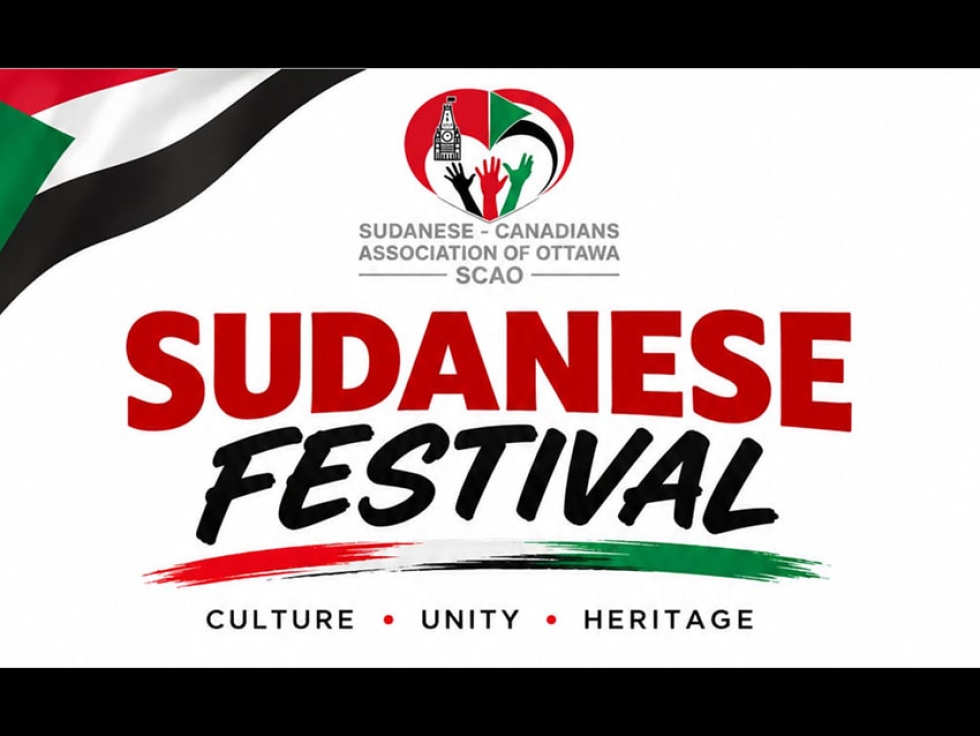
Join Ottawa's First Sudanese Festival Labour Day Weekend: Celebrating Heritage, Building Community
Written by Chelby DaigleJoin the Sudanese Canadian Association of Ottawa (SCAO) for its Two Day Festival
Muslim Link interviewed the event organizers about what everyone could expect at this first community festival celebrating Ottawa's Sudanese community.
Tell us about the Sudanese Association of Ottawa
The Sudanese Canadian Association of Ottawa (SCAO) is a registered, non-profit, non-political and non-sectarian organization serving Sudanese Canadians and friends of Sudan throughout the National Capital Region. Our doors are open to Sudanese individuals and families, including newcomers, refugees, immigrants, international students, long-established Sudanese Canadians, and those who simply have a connection to or appreciation for Sudan.
At its heart, SCAO exists to connect communities, preserve heritage, support people, and build a stronger future.
Sudan is an extraordinarily diverse country, with many ethnicities, languages, dialects, traditions, histories and cultural expressions. We want our children and future generations to inherit that richness—not simply as something remembered from the past, but as a living part of who they are.
At the same time, our work is about integration, not isolation. We want Sudanese Canadians to feel fully at home in Canada while also having the confidence and opportunity to share where they come from. Our vision is for Sudanese Canadians to contribute meaningfully to Canadian society while helping the broader Canadian community understand and appreciate Sudanese culture.
Tell us about yourself and your role with the Sudanese Association of Ottawa
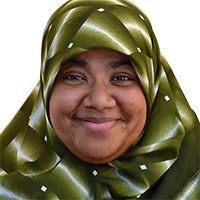
I am Rabah Musa, President of the Sudanese Canadian Association of Ottawa.
For me, this role is much more than a title. It is a responsibility to serve a community that is incredibly diverse, resilient and generous, while also helping create opportunities for people to feel connected and represented.
My professional background is in community and mental-health work, and that experience has reinforced something I deeply believe: strong communities are built through connection, belonging, dignity and collective responsibility.
As President, my role is to help bring people together around a shared vision. That means working with our executive team, volunteers, community organizations, families, youth, seniors, newcomers, businesses and partners across Ottawa.
It also means understanding that leadership during this period in Sudan's history requires sensitivity. Many Sudanese Canadians are carrying profound concerns about family members, displacement, loss and the ongoing situation in Sudan. We therefore want SCAO to be a place where people can find community, dignity, cultural connection and hope.
The festival is one expression of that larger responsibility.
Why is SCAO organizing the First Sudanese Festival of Ottawa?
We felt that it was time for Sudanese culture to have a larger public platform in Canada's capital.
Sudanese people have been part of Ottawa's social, academic, professional and cultural fabric for many years. Yet many people outside our community have had very little opportunity to experience the extraordinary diversity of Sudan beyond what they see in the news.
And that is important.
Sudan is more than a conflict. Sudan is a civilization, a people, a collection of cultures, languages, music, food, art, stories and traditions.
The festival gives us an opportunity to tell a more complete story.
We also want our children to see themselves represented. When a young Sudanese Canadian sees Sudanese music, dance, clothing, food, language and history celebrated publicly in Ottawa, it sends a powerful message: your heritage matters; your story belongs here; you belong here.
The festival is therefore both a celebration and an invitation—to Sudanese Canadians and to everyone else.
What are some highlights of the event?
We are intentionally creating a festival that goes beyond simply putting Sudanese performers on a stage.
Visitors will experience Sudanese music, dance, food, fashion, art, heritage, sport and family activities, with opportunities to interact directly with members of the community.
Among the highlights are:
- Live Sudanese musical performances, showcasing different generations and styles of Sudanese music.
- Traditional Sudanese dance and cultural performances, including performances by groups such as the Kush dance team, bringing Sudanese movement, rhythm and heritage to the stage.
- Sudanese artists and contemporary performers, demonstrating that Sudanese culture is not frozen in the past—it continues to evolve.
- Traditional Sudanese food, giving visitors an opportunity to experience flavours and dishes from Sudan's diverse regions.
- A Sudanese marketplace, featuring food vendors, clothing, crafts, cultural products and Sudanese-owned businesses.
- Cultural and heritage displays, introducing visitors to Sudan's history, civilizations, regional diversity and traditions.
- Children's activities, because preserving culture begins with the next generation.
- Community interaction and storytelling, allowing visitors to meet Sudanese Canadians and hear directly from people about their culture and experiences.
- Sports and recreation, including Sudanese community soccer programming, bringing together youth, families and teams from different communities.
- Opportunities for local organizations, businesses and community partners to participate and connect with the Sudanese community.
We want people to leave the festival having not only watched something, but having experienced something.
Why is it a two-day event?
Because Sudan cannot be represented in a few hours.
Sudanese culture is extraordinarily diverse, and we wanted enough time for different forms of expression to have their own space.
The two days also allow us to create two complementary experiences. One can emphasize outdoor community, sport, family activities and cultural engagement, while the other can provide a larger cultural and performance experience.
Most importantly, a two-day festival gives people the opportunity to come at different times and participate in different ways.
We also want the festival to become something sustainable—something that can grow year after year rather than simply being a one-time celebration.
Our hope is that this first festival becomes the beginning of an annual Sudanese cultural tradition in Canada's National Capital Region.
Why do you hope members of the broader Muslim community attend the festival?
There is a deep connection between the Sudanese community and the broader Muslim community in Canada.
Sudan is a predominantly Muslim country, but Sudanese Muslim identity is also culturally diverse and uniquely Sudanese. Our traditions, hospitality, food, language, family structures and celebrations have developed through generations.
We would love for our Muslim brothers and sisters in Ottawa to come and celebrate with us—not simply as guests, but as members of a wider community.
There is also an important message behind this invitation.
Sudanese Canadians have experienced significant challenges during the current crisis in Sudan, including displacement and family separation. We believe that solidarity becomes more meaningful when communities actually come together, learn about one another and build relationships.
We want Muslims from different backgrounds—Arab, African, South Asian, Middle Eastern, convert and newcomer communities—to see the Sudanese community as part of the broader Muslim Canadian family.
And, of course, we want everyone to come hungry!
Sudanese hospitality is one of the things we are particularly proud to share.
Why do you hope members of the broader Black and African community attend the festival?
Sudan is African.
That statement may sound simple, but it is an important one.
Sudan's history and identity are deeply connected to the African continent, while also reflecting centuries of interaction between African, Arab, Nubian and other cultural traditions.
The Black and African communities of Ottawa are incredibly diverse, and we see tremendous potential for solidarity, collaboration and friendship among our communities.
We want African Canadians and members of the Black community to come not only to experience Sudanese culture, but also to recognize the many connections between our histories and experiences.
Our cultures may be different, but we share many things: music, dance, storytelling, family, entrepreneurship, resilience, migration experiences and the desire to create better opportunities for the next generation.
The festival is an opportunity to strengthen those relationships.
Why do you hope that members of all Ottawa communities check out the festival?
Because you don't have to be Sudanese to celebrate Sudan.
That is perhaps the most important message we want people to take away.
Ottawa is Canada's capital, but it is also a city built through immigration, Indigenous histories and the contributions of communities from around the world. Our differences are not a weakness—they are one of the reasons this city is so vibrant.
We want a neighbour from Orleans, a student from Carleton, a newcomer to Canada, a family from Barrhaven, an African Canadian, a Muslim family, a francophone, an artist, a business owner, a long-time Ottawa resident or someone who has never met a Sudanese person before to feel that the festival is for them.
Come for the music.
Come for the food.
Come for the dancing.
Come for the history.
Come to meet someone new.
But most importantly, come to understand a people whose story is much bigger than the headlines.
Sudan is experiencing an incredibly difficult period, and there is an understandable tendency for the world to encounter Sudan primarily through images of war and humanitarian crisis. Those realities must not be forgotten. But Sudanese people are not defined only by what has happened to them.
We are also defined by our creativity, humour, hospitality, generosity, music, resilience, family and culture.
The First Sudanese Festival of Ottawa is our way of saying:
We are here.
Our culture is here.
Our children are here.
Our stories are here.
And Sudanese Canadians are part of the Canadian story.
We invite Ottawa to celebrate that story with us.
Ahlan wa sahlan—welcome.
For event details, visit Sudanese Festival Day 1: Sudan in the Park on September 5th at Brewer Park and Sudanese Festival Day 2: Come Discover Sudan on September 6 at the Mosaic Convention Centre